Transformative Spaces: Green Design with Recycled Materials
Today’s theme: Transformative Spaces: Green Design with Recycled Materials. Welcome to a place where reclaimed wood, upcycled metal, and post‑consumer glass spark fresh ideas for homes, studios, and streets. Explore inspiring stories, practical methods, and joyful community energy—then share your latest salvaged find with us.
A New Vocabulary for Transformative Green Design
Instead of starting with a shopping list, we begin with what already exists: leftover timber, decommissioned fixtures, or glass offcuts. This mindset trims waste, saves budget, and reveals unexpected aesthetic coherence. Comment with your favorite material you rescued from the brink.
A New Vocabulary for Transformative Green Design
A weathered beam holds history in every knot and nail mark. When sanded, sealed, and thoughtfully placed, it anchors a room with honest texture and warmth. Tell us about a salvaged element that turned into a captivating design feature at your place.
Reclaimed wood, structural character
Old joists become stair treads; barn siding becomes acoustic cladding. Proper grading, de‑nailing, and kiln treatment unlock structural potential while preserving patina. Share photos of your favorite reclaimed wood grain, and subscribe for our finishing guide with low‑VOC oils and waxes.
Upcycled metal, light and strong
Salvaged steel frames reconfigure into shelving and pergolas; recycled aluminum panels brighten facades without excessive weight. Powder‑coat finishes extend life, while bolted joints allow future disassembly. Post your questions about corrosion protection, and we’ll feature answers in our next newsletter.
Post‑consumer glass and composite surfaces
Crushed glass terrazzo and recycled paper‑composite counters offer luminous surfaces with credible impact reduction. Specify binders with low emissions and verify sources. Tell us which textures you prefer—subtle sparkle or bold aggregate—so we can tailor upcoming material spotlights to your taste.
Healthy, Human‑Centered Spaces With Reused Resources
Biophilia with repurposed planters
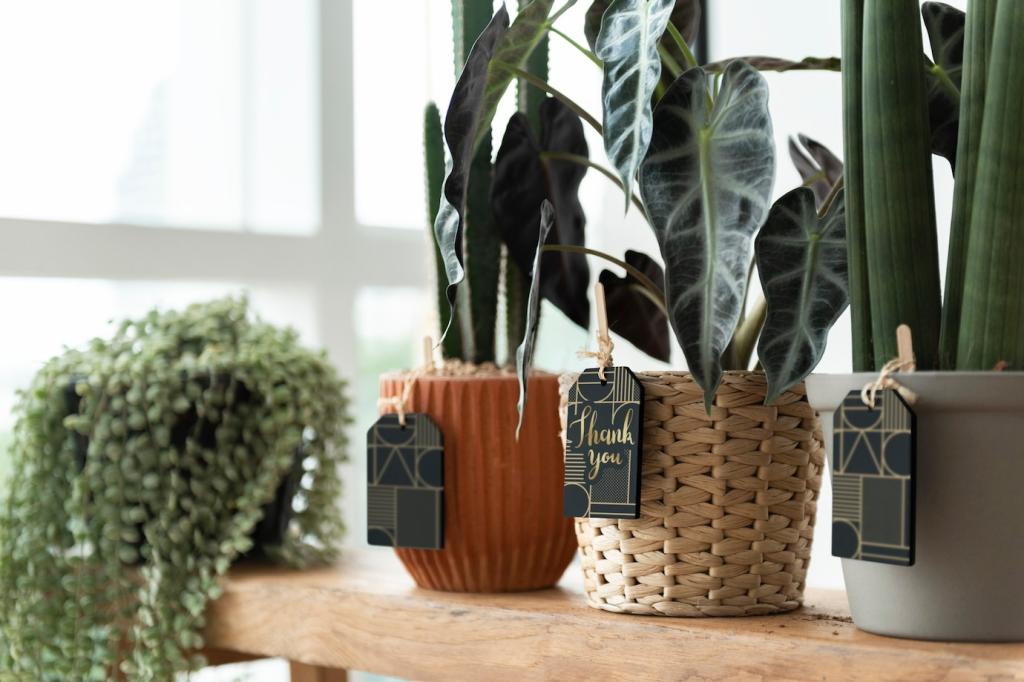
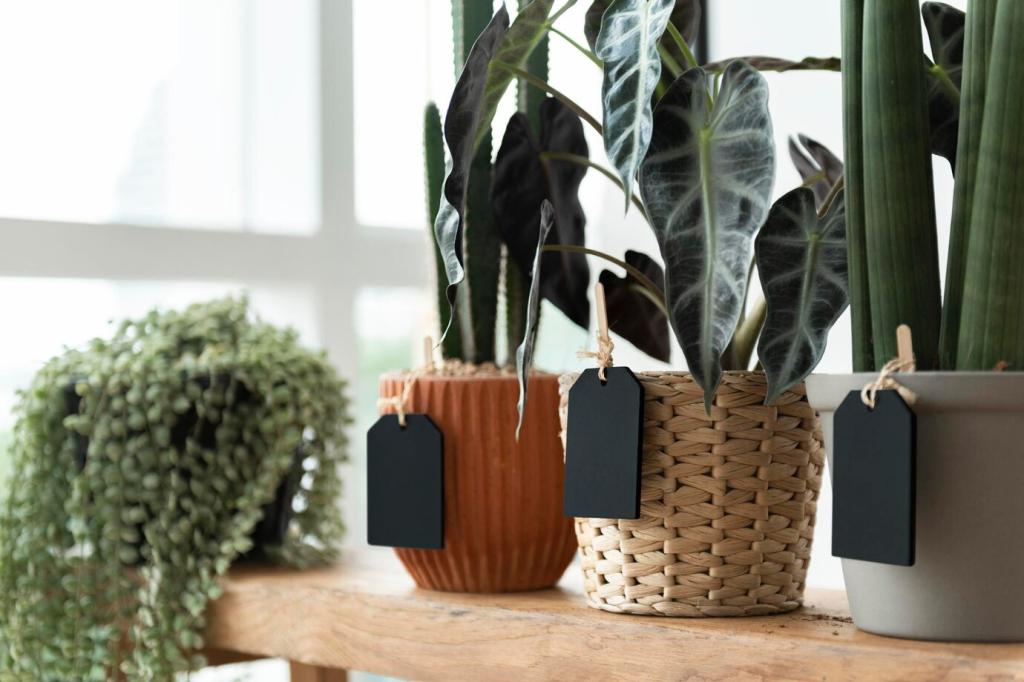
Turn food‑grade drums into planters, add trailing greenery, and pair with reclaimed brick plinths. Plants boost mood and acoustics while recycled vessels cut new purchases. Share your indoor plant favorites, and subscribe for our biophilic layout templates built around salvaged containers.
Air quality and clean finishes
Reclaimed doesn’t mean compromised. Use non‑toxic strippers, HEPA sanding, and low‑VOC finishes. Seal porous surfaces where needed, and document material provenance. Ask us about testing kits and we’ll send a checklist to keep your air fresh from day one.
Daylight, glare, and thermal comfort
Reused glass blocks diffuse sun beautifully; insulated polycarbonate from decommissioned structures tempers heat swings. Combine shading, light shelves, and matte finishes for visual comfort. Tell us where glare hits hardest in your space, and we’ll suggest recycled solutions to soften it.
Source sturdy shipping crates, sand edges, add cleats, and stack into flexible columns. Bolt for stability, then finish with plant‑based oil. Label modules for easy reconfiguration. Share your layout sketch, and we’ll spotlight inventive arrangements in our community roundup.
Hands‑On Projects You Can Start This Weekend
Invite neighbors, set clear roles, and prep materials. With safety briefings and a shared meal, momentum builds quickly. We’ve seen alleys transformed into galleries in one weekend. Comment if your block wants a toolkit, and subscribe for printable signage and task cards.
Stack reclaimed bricks into planters, set benches from salvaged beams, and add permeable paths with crushed recycled aggregate. These small moves cool neighborhoods and invite conversation. Share a photo of an unused corner near you, and we’ll brainstorm a pocket‑park sketch.
Repurposed steel frames, polycarbonate panels, and seating from recycled plastic lumber make shelters both durable and instructive. Add signage showing material origins to spark curiosity. Would your city support educational plaques? Tell us and we’ll draft sample language you can propose.
Mosaics from broken tiles, light sculptures from bottles, and gates from bicycle parts turn history into public narrative. Involve local makers to ensure authenticity. Share an artifact from your neighborhood’s past, and let’s imagine how it could anchor a new civic artwork.
Budgeting for reuse wins
Labor often replaces material cost in salvage‑heavy projects, so schedule time for de‑nailing, sorting, and refinishing. Allocate contingency for surprises. Comment with your budgeting questions, and subscribe to receive our reusable cost worksheet and sourcing checklist.
Metrics that matter
Track kilograms of waste diverted, percentage recycled content, and embodied carbon reductions using established databases. Celebrate progress publicly to build momentum. Want our simple spreadsheet to start measuring? Drop a note below, and we’ll send the link to subscribers.
Local sourcing networks
Build relationships with salvage yards, deconstruction crews, and material exchanges. Set alerts for specific items and visit often. Share your region and we’ll compile a localized starter list of reputable suppliers and community groups focused on responsible reuse.
Care, Durability, and Adaptive Futures
Use breathable sealers on old brick, galvanic isolation for mixed metals, and periodic oiling on wood. Document finish cycles to simplify upkeep. Tell us your climate, and we’ll suggest protective strategies tailored to your recycled material palette.
Care, Durability, and Adaptive Futures
Use screws, clips, and dry joints rather than permanent adhesives. Label components so future teams can adapt or relocate them. Comment if you want our disassembly tags—subscribers receive printable PDFs that make future transformations effortless.